Early Intervention
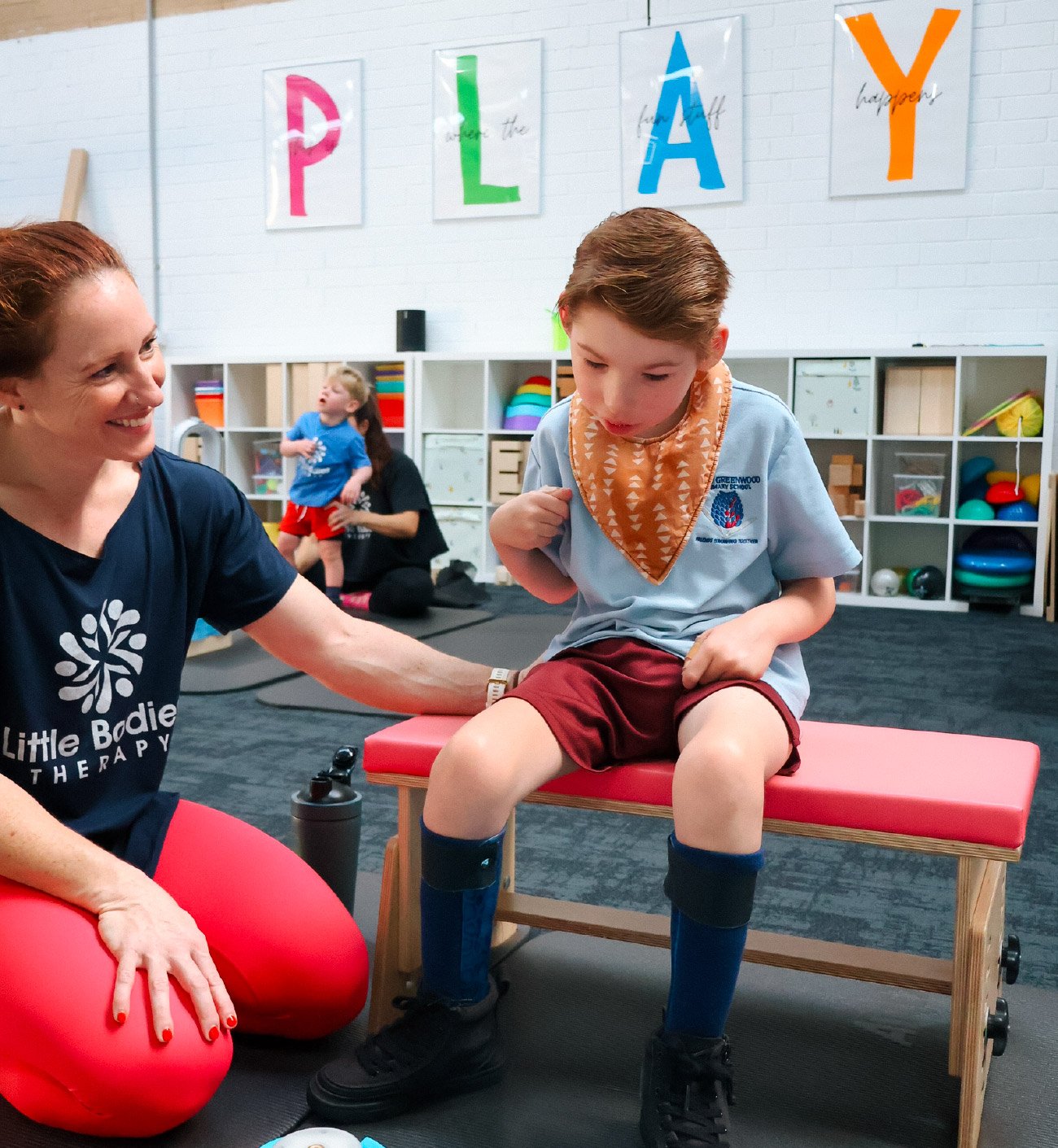
The early years are some of the most important for your child’s growth and development.
At Little Bodies Therapy, we provide play-based, goal-driven early intervention for children aged 0–7, helping them build the physical, emotional, and social foundations for lifelong learning and independence.
Therapy at this stage is about small steps with big impact, supporting your child’s milestones through fun, family-centred sessions that blend movement, play, and everyday activities.
Our team works closely with parents and caregivers to make therapy enjoyable, effective; tailored to your child’s unique strengths and needs.


How Early Intervention helps
Early Inteversion is especially valuable for children with developmental delays, physical or neurological disabilities, genetic conditions, or neurodivergence such as autism or ADHD. It can help your child to:
Develop strength, coordination, and balance for everyday movement and play.
Build postural control and achieve milestones like rolling, sitting, crawling, standing, and walking.
Improve fine and gross motor skills to support self-care, play, and early learning.
Strengthen communication, attention, and social connection through participation and play.
Support sensory processing and emotional regulation to stay calm and engaged.
Support progress towards age-appropriate milestones.
Encourage confidence and independence in daily routines.
Empower families with practical home strategies that make therapy part of everyday life.
Core Methods and Approaches
Our early intervention programs combine play, movement, and evidence-based techniques to help children learn through fun and functional experiences.
-
Learning through games, songs, and exploration to improve fine-motor skills.
-
Parents and caregivers are active partners in every session.
-
Guiding skills like head control, rolling, sitting, crawling, standing, and walking.
-
Building everyday skills for self-care, communication, and early problem-solving.
-
Helping children respond to their sensory world safely and calmly.
-
Structured movement challenges that promote postural control and motor planning.
-
Developing strength and coordination in both arms and hands.
-
Safe, supported practice for walking, balance, and functional transitions.
-
Setting meaningful goals tied to your child’s routines and development.
-
Physiotherapists, occupational therapists, and exercise physiologists working together to support every aspect of developmen
-
Introducing supportive equipment like walkers, adaptive seating, or standing frames when needed to promote participation.
What to Expect in Sessions
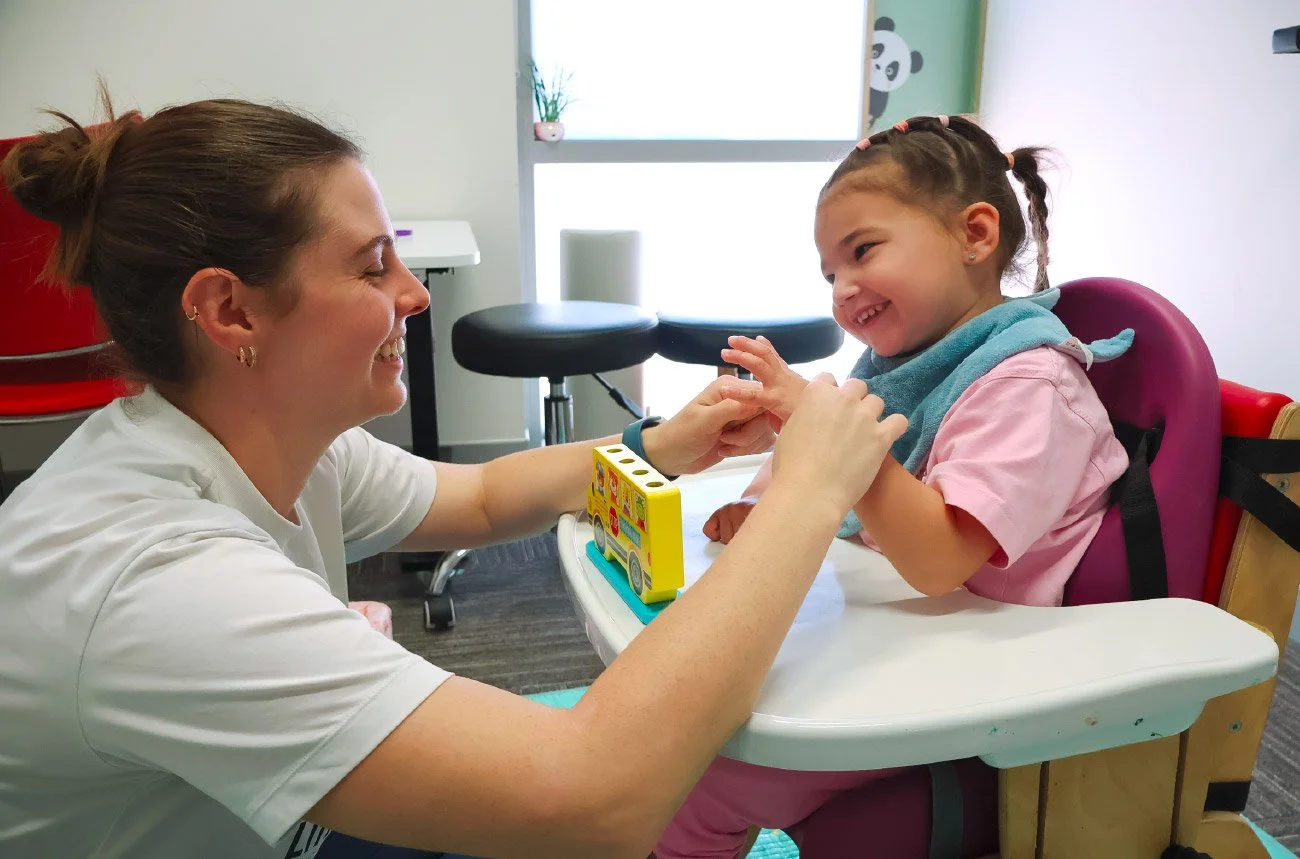
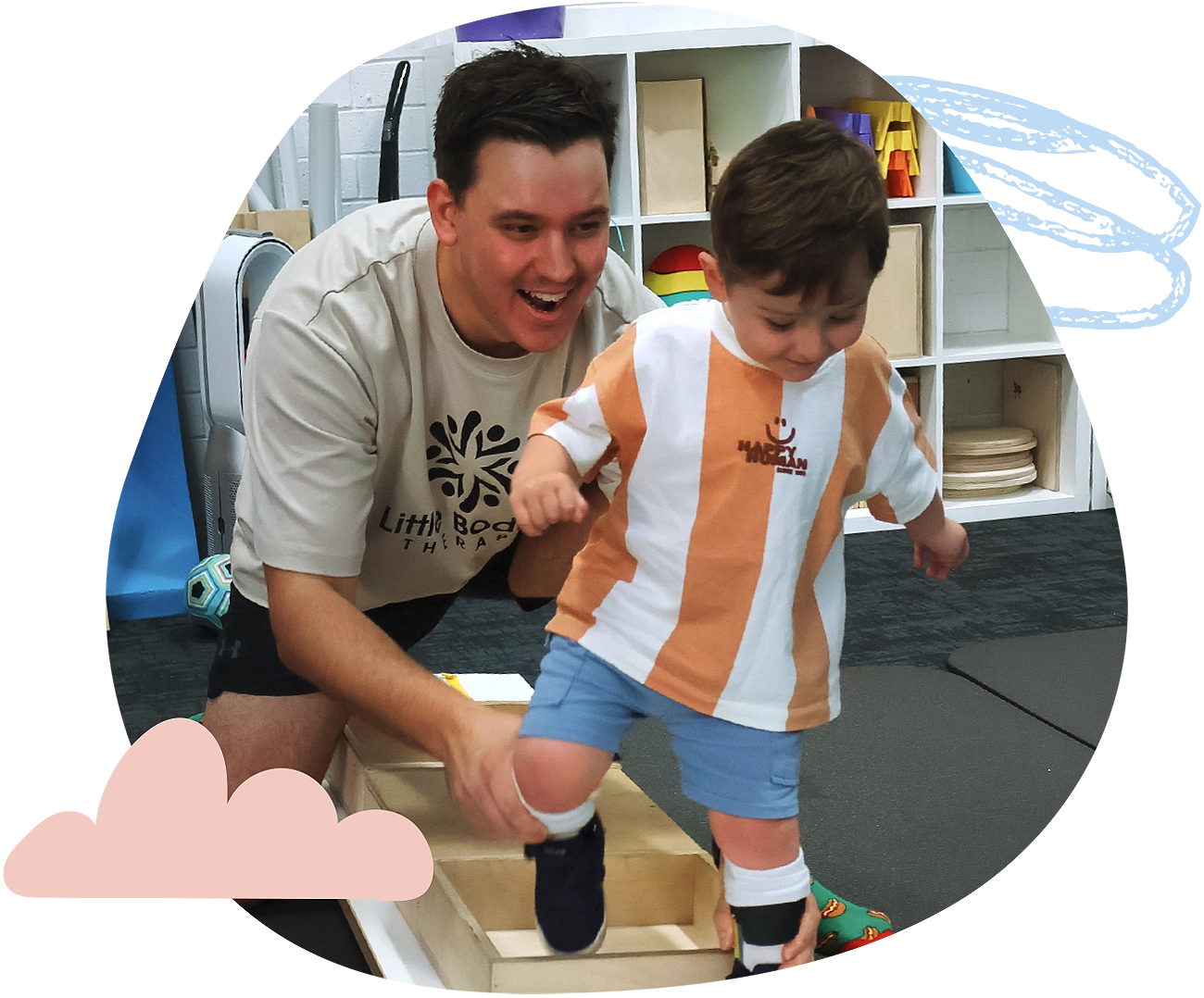
Therapy sessions are tailored to your child’s stage of development and therapy goals, using songs, toys, and movement activities to support learning in a safe, encouraging environment.
Therapy takes place in our Perth clinic, where children have access to specialised equipment and space to explore. Parents are encouraged to join in, observe, or assist - whichever best supports your child’s comfort and progress.
Every session builds on the last, with practical home strategies to keep momentum going between visits.
FAQs
-
Early intervention is designed for children aged 0-7 years, though many of the same techniques benefit children beyond this age who are still developing foundational skills.
-
Cuevas Medek Exercises (CME) and Dynamic Movement Intervention (DMI) are hands-on movement therapies that promote postural control, strength, and independence. These techniques challenge children to move actively and progressively, helping them achieve new motor milestones. Learn more at dmitherapy.com
-
Frequency depends on your child’s goals and progress. Many families begin with weekly sessions or short intensive blocks to build momentum. After assessment, your therapist will recommend the best approach for your child.
-
Absolutely! We encourage parent or caregiver participation. You’ll learn strategies and activities to continue progress at home, making therapy a natural part of your family’s routines.
-
Early intervention can benefit children with developmental delays, neurological conditions (such as cerebral palsy), genetic syndromes (such as Down Syndrome or Prader-Willi Syndrome), autism, ADHD, or other challenges impacting movement, communication, or participation.
A strong start makes a world of difference.
If you’re wondering whether early intervention could help, let’s talk.